



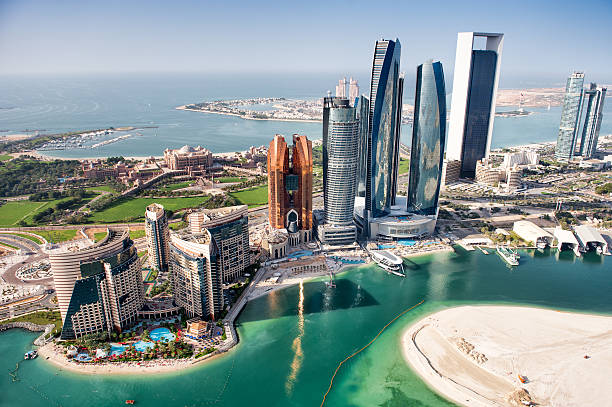
Abu Dhabi, the capital of the UAE, is growing in prominence as a real estate investment destination. Backed by government-led urban development, population growth, and tax advantages, investor interest that was once concentrated in Dubai is now shifting toward Abu Dhabi as well.
Large-scale projects are underway across key development areas including Yas Island, Saadiyat Island, and Al Reem Island, drawing significant crowds at launch events.
In this article, we take a closer look at real estate in Abu Dhabi.
Abu Dhabi Real Estate Market
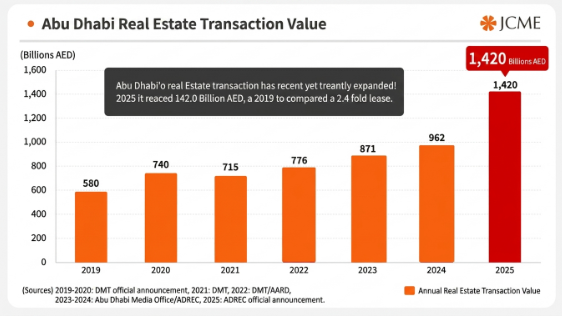
The Abu Dhabi real estate market is expanding rapidly.
According to the Abu Dhabi Real Estate Centre (ADREC), total transactions in 2025 reached 42,814 deals with a combined value of AED 142 billion — a 48% year-on-year increase and a record high.
This momentum has continued into 2026, with Q1 transaction value reaching AED 66 billion, up 160.7% compared to the same period last year.
Activity has been particularly strong on Hudayriyat Island, Al Reem Island, Saadiyat Island, and Yas Island, with growing demand drawing attention to upcoming project developments.
Why Abu Dhabi Real Estate Is Attracting Attention
There are several reasons why Abu Dhabi real estate is drawing increased interest.
Rising Rental Price Index
According to ADREC, the rental price index — which measures rent changes at renewal — rose 16% year-on-year as of March 2026. This reflects a market where demand continues to outpace new supply, even as new projects are launched in succession.
Abu Dhabi Vision 2030
The Abu Dhabi Economic Vision 2030 is fundamentally reshaping the emirate’s real estate market. The promotion of international business, job creation through corporate attraction, and government-led urban development are working in tandem to expand housing demand. This growth strategy, modeled on Dubai’s economic blueprint, is driving sustained increases in property values.
Population Growth
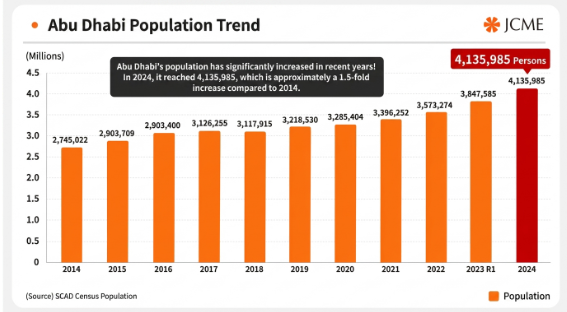
According to the Statistics Centre Abu Dhabi (SCAD), Abu Dhabi’s population reached approximately 4.14 million in 2024, a 7.5% increase from the previous year and a roughly 51% rise over the past decade.
Particularly noteworthy is the profile of incoming residents: 54% of migrants are between the ages of 25 and 44 — the economically active core — with a median age of 33. This youthful demographic composition naturally drives demand for housing, fueled by active business participation and evolving household formations.
Government-Led Urban Development
A defining characteristic of Abu Dhabi’s real estate market is the scale of government-driven urban development.
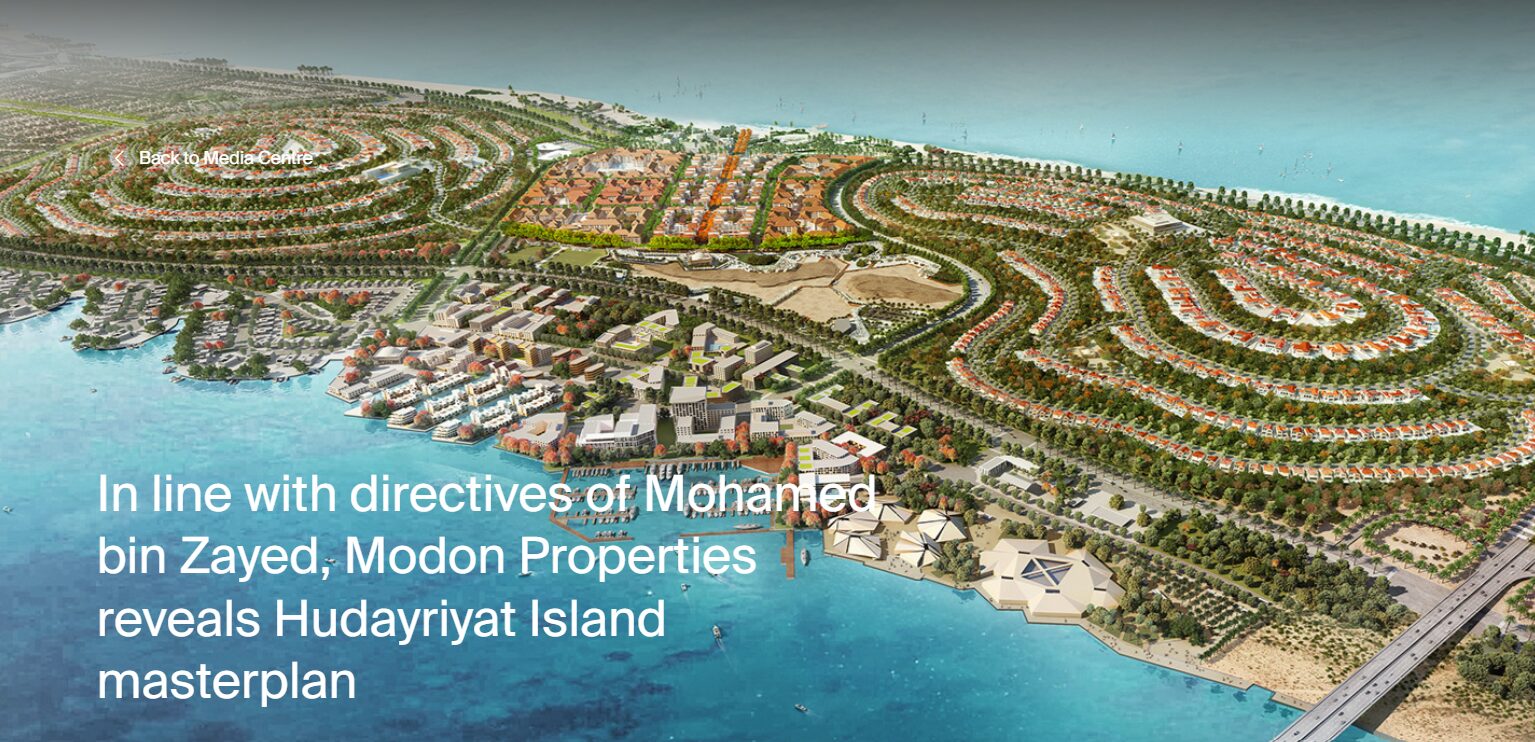
Sorce:『Modon Properties』
Modon Properties has announced a master plan spanning 51 square kilometers — equivalent to approximately 53.8% of Abu Dhabi Island — encompassing residential, commercial, leisure, and sports facilities in a comprehensive mixed-use development.
Elsewhere, Aldar Properties is spearheading real estate development across multiple districts, with major developers participating in government-led projects to advance Abu Dhabi’s urban transformation citywide. This proactive government approach to large-scale development is one of the market’s greatest strengths.
Influx of High-Net-Worth Individuals
Abu Dhabi is actively courting wealthy residents.
The Abu Dhabi Investment Office (ADIO) has partnered with the Emirates Family Office Association to position the city as a premier destination for high-net-worth individuals, announcing a dedicated concierge service covering investment support, business setup, regulatory navigation, residency, education, healthcare, real estate, and community orientation.
The arrival of affluent residents has a significant impact on the property market. In fact, Knight Frank reported a 19% increase in the number of high-net-worth individuals considering purchasing a home in Abu Dhabi in 2025.
Tax Advantages
According to official UAE government information, Abu Dhabi offers substantial tax benefits. Individuals are subject to no income tax or residential tax whatsoever. VAT on goods and services is just 5%.
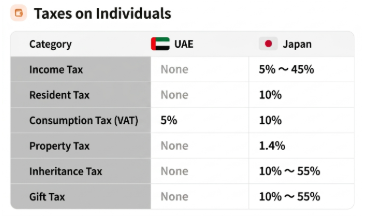
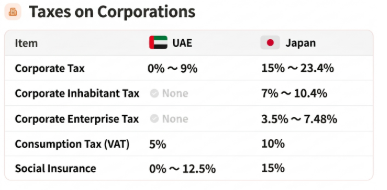
On the corporate side, companies with taxable income below AED 375,000 are exempt from corporate tax, with only those exceeding this threshold subject to payment. The corporate tax rate of 9% is low even by Japanese standards.
Visa Pathways
Abu Dhabi offers accessible visa options tied to real estate investment. Purchasing a property qualifies buyers to apply for a two-year investor visa, and owning a property valued at AED 2 million or more allows an upgrade to a ten-year Golden Visa.
These visas cover spouses and children, and can be applied for without a sponsor — meaning individuals can independently secure long-term residency for their entire family.
Key Development Areas in Abu Dhabi
Choosing the right area is critical when purchasing real estate in Abu Dhabi. Here is an overview of the key development zones to know.
Yas Island
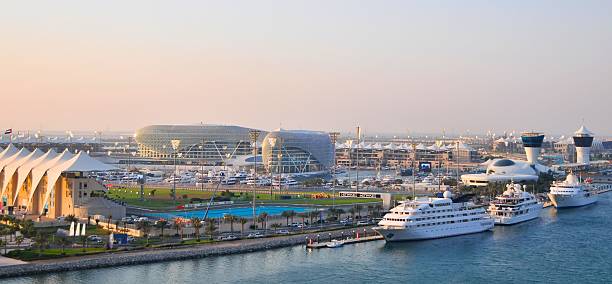
Yas Island is Abu Dhabi’s premier entertainment hub, home to Yas Marina Circuit, Yas Mall, Ferrari World, Yas Links, and Yas Waterworld, among other attractions.
Beyond its entertainment offerings, the island has developed into a fully-fledged residential destination, earning high regard both as a place to live and as an investment asset.
Adding to the excitement, Walt Disney Company announced in May 2025 the development of the Middle East’s first Disney theme park resort on Yas Island — a landmark project expected to significantly elevate the island’s prospects.
Fahid Island
Souce:『Fahid Island』
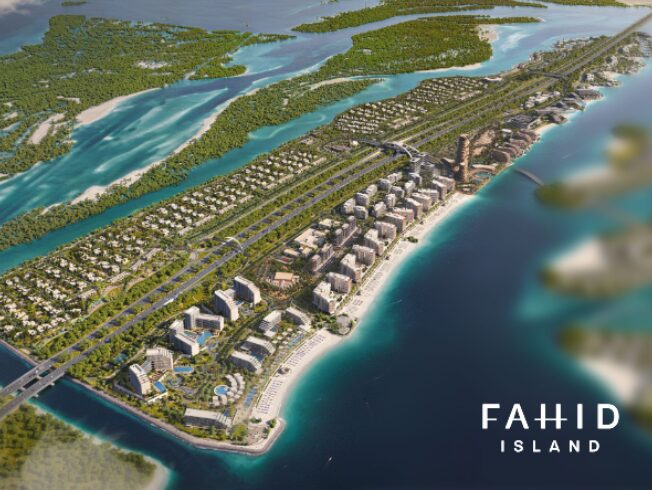
Fahid Island, located between Yas Island and Saadiyat Island, is being developed with an emphasis on active lifestyles and sustainability.
In August 2025, developer Aldar announced a new beachfront project called “Fahid Beach Terraces.” With development still in progress and strong future potential, the island is drawing attention from investors worldwide.
Al Reem Island
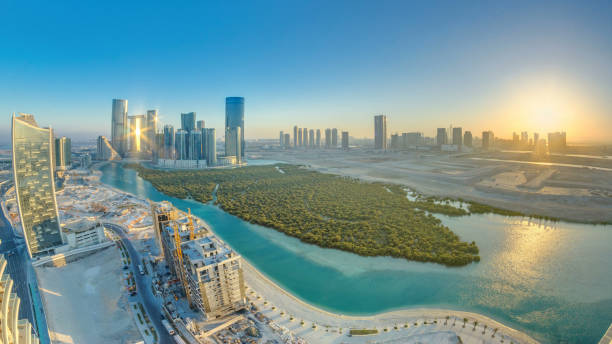
Skyscrapers on Al Reem and Al Maryah Island in Abu Dhabi at sunset timelapse from above. Aerial cityscape from Al Reem Island with modern buildings. Orange sky and sun reflected on glass surface
Al Reem Island is one of Abu Dhabi’s highest-demand real estate markets. According to ADREC’s Q1 2026 report, total transaction value on the island reached AED 9.45 billion. As a mixed-use area, it offers comprehensive infrastructure including Shams Central Park, Boutik Mall, and Repton School, supporting stable rental demand as a fully livable community.
Saadiyat Island
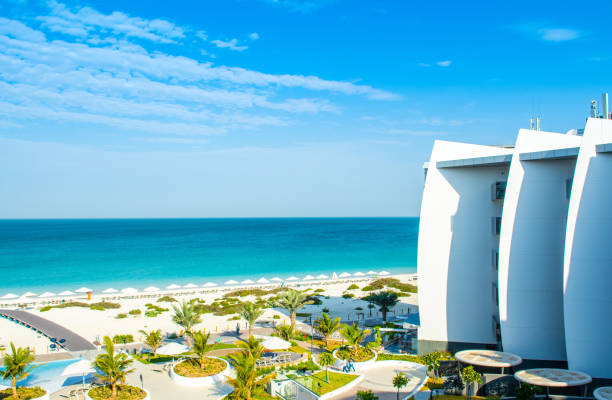
Saadiyat Island is among the most sought-after addresses in Abu Dhabi, particularly among affluent buyers. Positioned as a place where culture, nature, art, and world-class hospitality converge, it features pristine beaches, luxury resorts, museums, and fine dining. Recognized as an established brand of international prestige, it is an ideal location for end-user buyers and second-home purchasers from the high-net-worth segment.
Hudayriyat Island
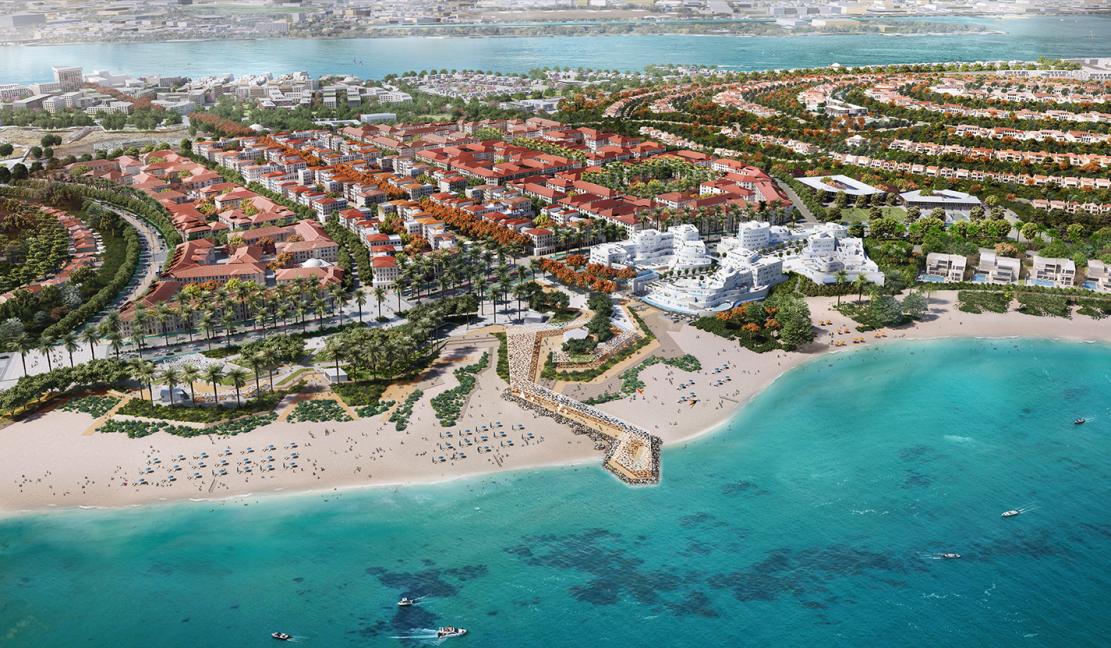
Hudayriyat Island is Abu Dhabi’s most dynamic development area at present. According to ADREC’s Q1 2026 report, total transaction value on the island reached approximately AED 11.97 billion — the highest of any area across Abu Dhabi.
As a district still taking shape, it offers compelling upside potential, attracting strong interest from investors around the world.
The Abu Dhabi Property Purchase Process
The process for purchasing real estate in Abu Dhabi is as follows.
Step 1: Define Your Purpose
Begin by clarifying why you are purchasing the property.
Whether for residential use or investment, and whether you plan to relocate, will influence which areas suit your needs. For investment properties, those prioritizing rental demand may gravitate toward urban districts, while those seeking scarcity value may look at waterfront locations, premium residential zones, or emerging areas under government-led development.
Step 2: Confirm Foreign Ownership Eligibility
Verify that the property you intend to purchase is available to foreign buyers.
In Abu Dhabi, foreigners cannot freely buy and sell all properties — ownership is permitted only in designated freehold areas such as Yas Island, Saadiyat Island, Al Reem Island, and Al Maryah Island. Also confirm the nature of the property rights before proceeding.
Step 3: Select a Property
Evaluate properties based on location, price, payment schedule, expected completion date, service charges, projected rental income, and the developer’s track record.
For completed properties, assess the building’s condition and occupancy status.
For off-plan properties, check project registration, escrow account arrangements, and construction progress. When investing, it is easy to focus solely on price and yield — but scrutinizing management arrangements can meaningfully reduce investment risk.
Step 4: Execute the Sale and Purchase Agreement
Once you have selected a property, proceed to sign the Sale and Purchase Agreement (SPA).
Before signing, review the purchase price, payment schedule, handover timeline, service charges, cancellation terms, penalties, and mortgage arrangements.
Have a lawyer or real estate professional review the contract if needed. For completed properties, verify the seller’s title, any existing mortgages or liens, and outstanding service charges. For off-plan properties, confirm the developer’s registration status, the project’s registration, escrow account details, construction progress, and expected completion date. Once satisfied, sign the SPA and pay the reservation deposit.
Step 5: Register the Property
Following execution of the SPA, complete the property registration process in Abu Dhabi. All transactions and ownership procedures are handled through public platforms such as the Abu Dhabi Real Estate Centre (ADREC) and the Digital Real Estate Ecosystem (DARI).
Required documents typically include the SPA, proof of identity, payment confirmation, and property details — along with any mortgage-related documents where applicable.
Note that a registration fee of approximately 2% of the higher of the assessed or contract value applies to property transactions in Abu Dhabi.
Step 6: Obtain the Title Deed
Finally, obtain your Title Deed or Ownership Deed, which serves as official proof of ownership in Abu Dhabi. This document is essential for future transactions — whether selling the property, leasing it, securing a mortgage, or applying for a visa. Carefully verify that all details are correct and keep it in a safe place.
Conclusion
Abu Dhabi’s real estate market is recording transaction volumes at historic highs, sustained by population growth, government-led development, and tax advantages.
Investment opportunities are expanding across key areas including Yas Island, Saadiyat Island, and Al Reem Island.
When investing, it is important to verify foreign ownership regulations, contract terms, and registration requirements in advance — and to evaluate not only market growth potential but also area characteristics and developer track records.
For any questions regarding real estate investment in Abu Dhabi, please do not hesitate to contact JCME.